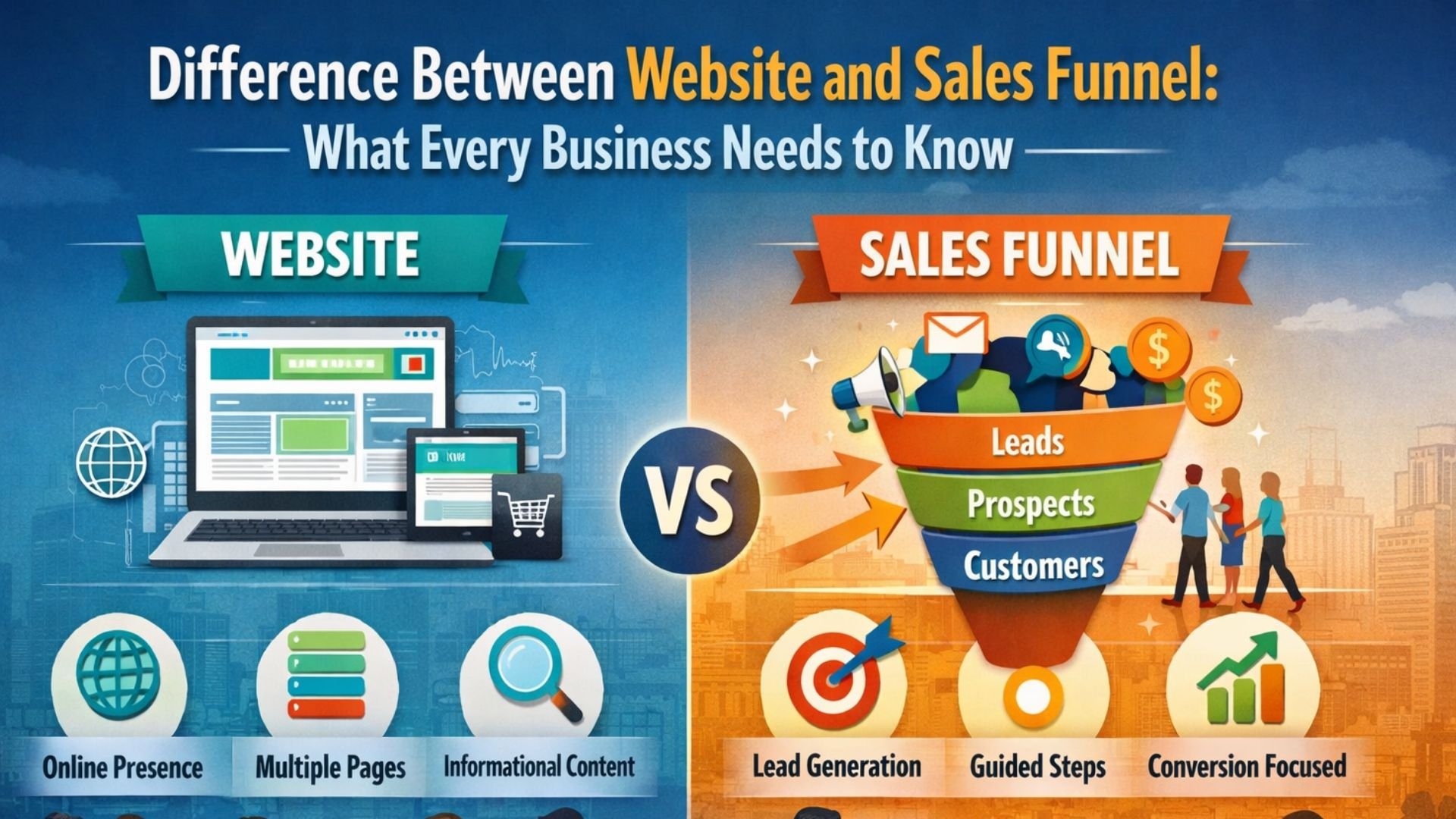

Complete Guide to Building Sales Funnels for Indian Businesses
Learn how to create high-converting sales funnels specifically designed for Indian customers. Includes templates, strategies, and real examples from successful Indian businesses.
What is a Sales Funnel?
A sales funnel is a visual representation of the customer journey from first contact to final purchase. For Indian businesses, understanding this concept is crucial because our market has unique characteristics—price sensitivity, preference for WhatsApp communication, and the importance of trust-building.
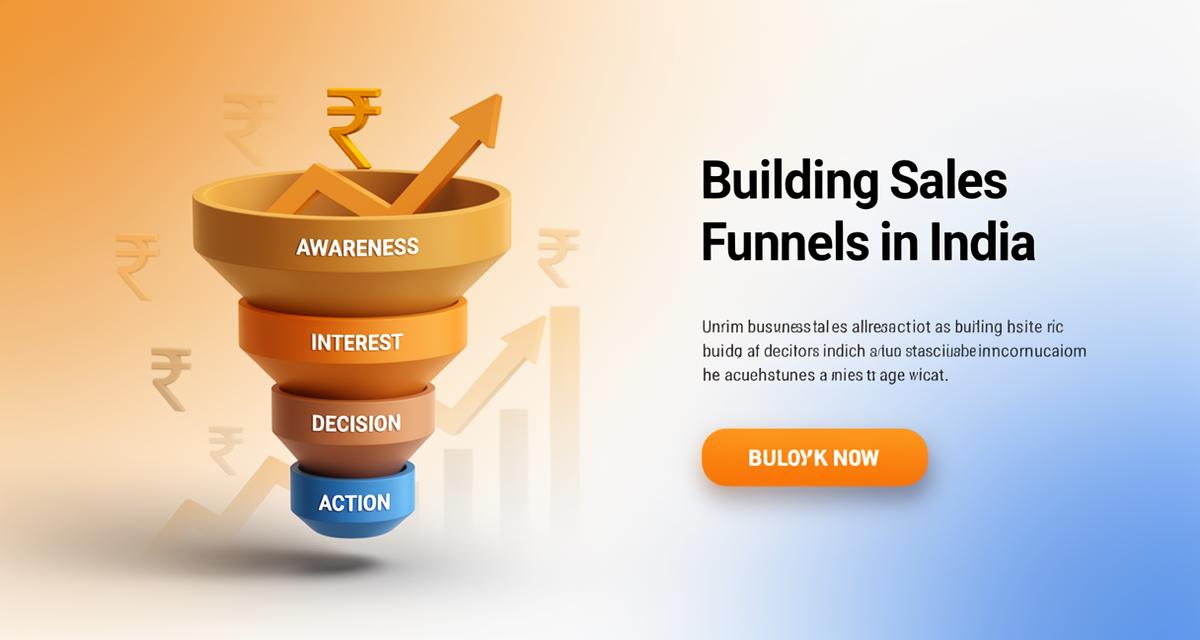
The typical sales funnel has four stages: Awareness, Interest, Decision, and Action (AIDA). However, in the Indian context, we often add a fifth stage—Trust—which comes before the decision phase. Indian customers typically research extensively and seek social proof before making purchasing decisions.
Why Indian Businesses Need Sales Funnels
The Indian digital market is exploding. With over 700 million internet users, the opportunity is massive. However, competition is fierce. A well-designed sales funnel helps you:
• Stand out from competitors by providing a structured buying experience• Nurture leads effectively through automated sequences• Reduce customer acquisition costs by qualifying leads before sales calls• Scale your business without proportionally increasing team size
Consider this: businesses with optimized funnels see 2-3x higher conversion rates compared to those relying solely on direct sales.
Building Your First Funnel: Step-by-Step
Step 1: Define Your Target Audience
Before building anything, understand who you're targeting. Create detailed buyer personas including demographics, pain points, and buying behavior.
Step 2: Create a Lead Magnet
Offer something valuable for free—an ebook, webinar, or consultation. Indian audiences respond well to educational content and free trials.
Step 3: Build Your Landing Page
Your landing page should be simple, mobile-optimized (60%+ of Indian traffic is mobile), and include social proof like testimonials and client logos.
Step 4: Set Up Email & WhatsApp Sequences
Automation is key. Create a series of follow-up messages that educate, build trust, and guide prospects toward a purchase.
Step 5: Add Payment Integration
Integrate Razorpay or similar gateways for seamless payments. Offer EMI options—Indian customers love payment flexibility.
Best Practices for Indian Markets
Use WhatsApp Integration: With 500M+ WhatsApp users in India, this channel is non-negotiable. Add WhatsApp CTAs to your funnels.
Offer Multiple Payment Options: UPI, cards, net banking, and EMI. The more options, the fewer abandoned carts.
Include Regional Language Options: If targeting tier-2 and tier-3 cities, consider Hindi or regional language landing pages.
Leverage Festival Seasons: Diwali, Navratri, and other festivals drive significant purchasing. Plan funnel campaigns around these periods.
Mobile-First Design: Over 60% of Indian web traffic comes from mobile devices. Ensure your funnels are fully responsive.
Common Mistakes to Avoid
1. Too Many Steps: Keep your funnel simple. Every additional step reduces conversion by 10-20%.
2. Ignoring Follow-Up: 80% of sales require 5+ follow-ups. Don't give up after one or two attempts.
3. Poor Mobile Experience: Test your funnels on multiple devices and internet speeds.
4. No Social Proof: Indian buyers are skeptical. Include testimonials, case studies, and trust badges.
5. Generic Messaging: Personalization increases conversion. Use the prospect's name and tailor content to their segment.
Ready to Implement These Strategies?
Bharat Funnels makes it easy to implement everything you've learned in this article. Start your free trial and see results in days, not months.