
Difference Between Website and Sales Funnel: What Every Business Needs to Know
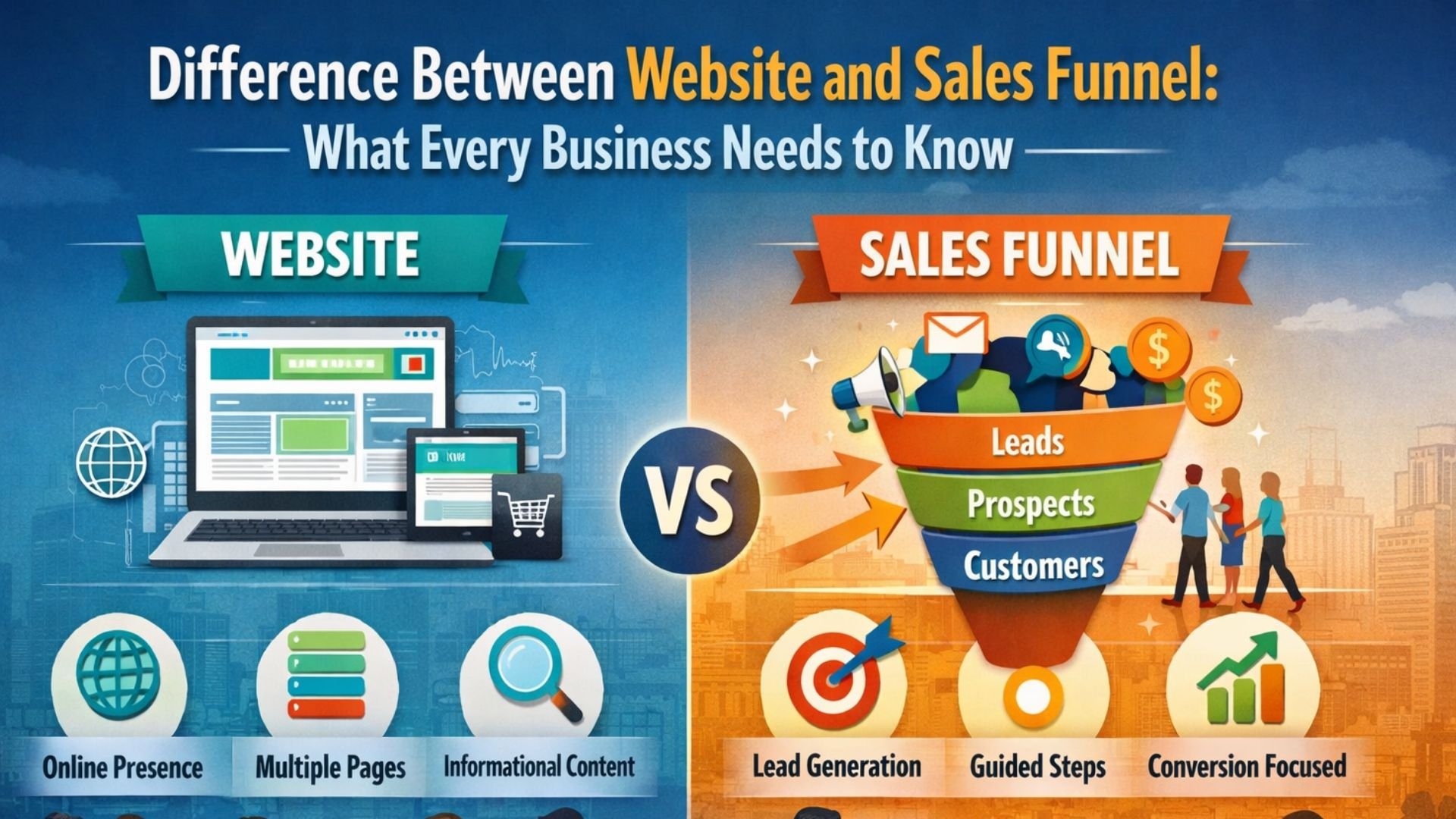
Websites inform. Sales funnels convert. Learn the fundamental differences between a website and a sales funnel, when to use each, and how modern businesses combine both to maximize revenue.
Key Takeaways
• A website is your digital storefront — it presents information about your business to anyone who visits
• A sales funnel is a guided journey — it takes visitors through a specific sequence designed to convert them into customers
• Websites typically convert at 1-3%, while optimized sales funnels convert at 10-30% or higher
• Most businesses need both — a website for credibility and SEO, plus funnels for targeted campaigns and conversions
• The biggest mistake Indian businesses make is spending lakhs on a beautiful website that generates zero leads
Introduction
Here's a conversation I have almost every week.
A business owner comes to me frustrated. They spent ₹50,000 to ₹2 lakhs on a beautiful website. It looks professional. It has all the right pages — Home, About, Services, Contact. Their designer did a great job.
But it's not generating leads. Not converting visitors into customers. Just sitting there looking pretty while the business struggles to grow.
The problem isn't the website itself. The problem is expecting a website to do something it was never designed to do.
Websites and sales funnels serve fundamentally different purposes. Understanding this difference is the single most important marketing insight for any Indian business owner in 2026.
In this comprehensive guide, I'll explain exactly how websites and sales funnels differ, when to use each one, and how smart businesses combine both for maximum impact.
What Exactly Is a Sales Funnel?
A sales funnel is a strategic sequence designed to guide visitors toward one specific action. Instead of presenting everything at once, a funnel reveals information progressively, leading people through a carefully crafted journey.
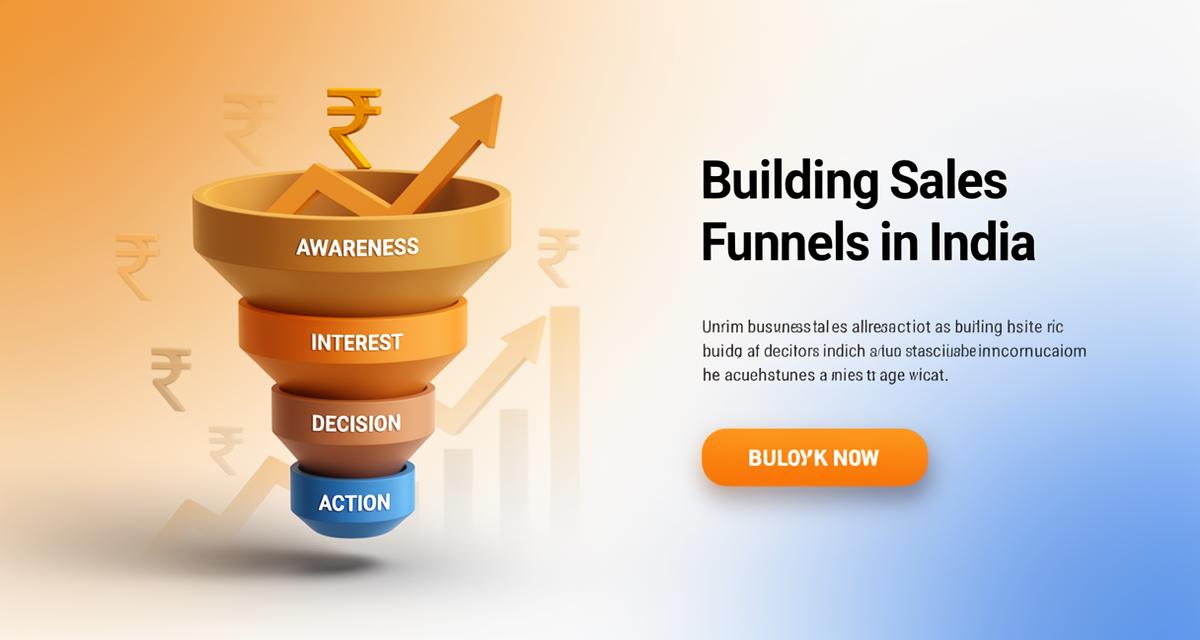
The "funnel" metaphor comes from its shape. Many people enter at the top (awareness), fewer move to the middle (consideration), and a smaller but highly qualified group reaches the bottom (conversion). At each stage, you're filtering for people who are genuinely interested while building trust with those who remain.
A typical sales funnel includes these elements:
Landing Page: A single-focused page with one clear offer and one call-to-action. No navigation menu, no distractions — just the offer and the decision.
Lead Magnet: Something valuable offered in exchange for contact information. Could be an ebook, webinar, free consultation, discount code, or trial.
Thank You Page: Confirms the action and often presents an immediate upsell or next step.
Email/WhatsApp Sequence: Automated follow-up messages that nurture the relationship and guide prospects toward purchase.
Sales Page: A long-form page designed to overcome objections and close the sale.
Checkout/Application: The final conversion point where money changes hands or commitment is made.
The fundamental characteristic of a funnel is guidance. You control what visitors see and when they see it. Each step is designed to move them closer to the desired outcome.
The Funnel Mindset: "Here's exactly what you need to know right now. Take this specific action to move forward."

The Core Differences: A Complete Breakdown
Understanding the differences between websites and funnels helps you deploy each tool strategically.
| Aspect | Traditional Website | Sales Funnel |
|---|---|---|
| Primary Purpose | Inform and establish presence | Convert visitors into customers |
| Navigation | Multiple pages, user chooses path | Linear sequence, guided journey |
| Focus | Broad — covers everything | Narrow — one offer, one outcome |
| Conversion Rate | 1-3% typical | 10-30% for optimized funnels |
| User Intent | Research and exploration | Decision and action |
| Content Style | Comprehensive, detailed | Persuasive, focused |
| Call-to-Action | Multiple (contact, call, email) | Single clear action per step |
| Traffic Sources | SEO, direct, referral | Paid ads, targeted campaigns |
| Best For | Credibility, SEO, brand awareness | Lead generation, sales, launches |
| Measurement | Page views, time on site | Conversion rate, cost per lead |
The most important distinction is intent alignment. When someone searches for your business name and lands on your website, they're in research mode. They want to explore, compare, and evaluate. A comprehensive website serves this need well.
But when someone clicks on your Facebook ad promising a free consultation, they're responding to a specific offer. They don't need your company history or team photos right now. They need a clear path to claim what you promised. That's what a funnel provides.
Why Websites Struggle to Convert
Most business websites convert between 1-3% of visitors. That means for every 100 people who visit, 97-99 leave without taking any meaningful action.
Why such poor performance? Several factors contribute:
Too Many Choices: The paradox of choice is real. When visitors have twenty different links to click and five different things to do, they often do nothing. Decision paralysis sets in, and they leave.
No Urgency: Websites are always available. There's no reason to act now. Visitors bookmark the page "for later" — and later never comes.
Distraction Design: Websites are designed for exploration. Sidebars, footers, related links, social media icons — all these elements pull attention away from conversion.
Unclear Next Step: What exactly should a visitor do after reading your services page? Call? Email? Fill out a form? Subscribe? Buy? Too many options create confusion.
Missing Follow-Up: Even when someone does fill out a contact form, what happens next? Most businesses have no automated sequence to nurture that lead. By the time someone manually follows up, the prospect has moved on.
Wrong Traffic, Wrong Page: When you run ads to your website homepage, you're sending motivated buyers to a page designed for casual browsers. The mismatch kills conversions.
None of this means websites are bad. It means they're optimized for a different purpose. Expecting your website to be a high-converting sales machine is like expecting a library to function as a retail store. Both are valuable — for different reasons.
Stop Losing Leads to Your Website
Build conversion-focused funnels that actually generate customers. See how Bharat Funnels works.
Try 3 Months Plan at Low Cost – Contact Us →Why Sales Funnels Convert Better
Optimized sales funnels regularly achieve conversion rates of 10-30% — sometimes higher. That's a 5-10x improvement over typical website performance.
How do funnels achieve such dramatic results?
Single Focus: Every element on a funnel page supports one goal. No distractions, no alternative paths, no decision fatigue. Visitors either move forward or leave — but those who stay are highly qualified.
Progressive Commitment: Funnels use micro-commitments to build momentum. First, you get someone to enter their email. Then you get them to watch a video. Then you get them to schedule a call. Each small yes makes the next yes easier.
Psychological Triggers: Well-designed funnels incorporate urgency (limited-time offers), scarcity (limited spots available), social proof (testimonials and reviews), authority (credentials and results), and reciprocity (free value before asking for money).
Automated Nurturing: After the initial opt-in, funnels automatically follow up with emails, WhatsApp messages, and retargeting ads. This persistence dramatically increases overall conversion rates.
Traffic-Page Alignment: When you run an ad for a specific offer, the landing page delivers exactly that offer. No confusion, no mismatch, no wasted clicks.
Continuous Optimization: Funnels make testing easy. You can A/B test headlines, images, copy, and offers to continuously improve performance. Small improvements compound into massive gains.
Qualification Built-In: Funnels naturally filter out people who aren't serious. By the time someone completes multiple steps and books a call, you know they're genuinely interested. Your sales conversations become easier and more productive.
The Real-World Numbers: A Case Study
Let me share a real example from one of our clients — a business coach in Mumbai.
Before (Website Only):
• Monthly website visitors: 2,500• Website conversion rate: 1.2%• Leads generated: 30• Sales calls booked: 8• Clients signed: 2• Revenue: ₹1,00,000
After (Website + Funnel System):
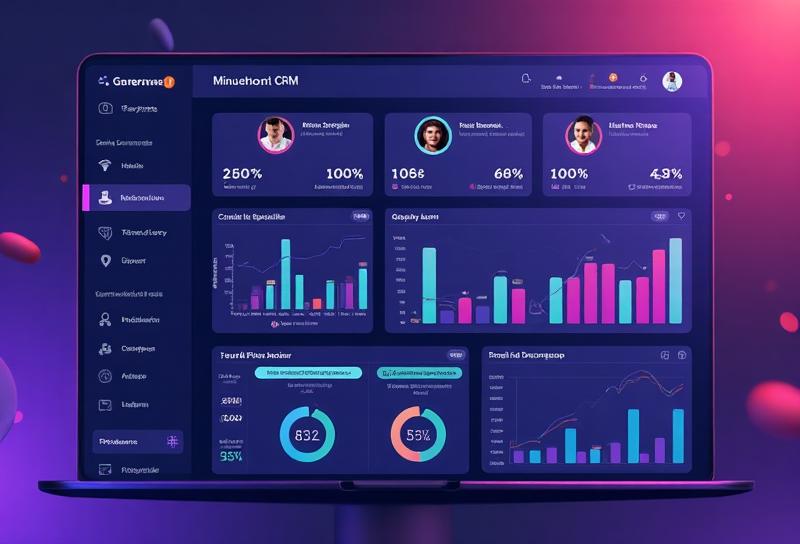
• Monthly website visitors: 2,500 (same)• Monthly funnel visitors (from ads): 1,500• Website leads: 30 (same)• Funnel conversion rate: 22%• Funnel leads: 330• Total leads: 360• Sales calls booked: 85• Clients signed: 17• Revenue: ₹8,50,000
Same coaching business. Same services. Same pricing. The only difference was adding targeted funnels alongside the existing website.
The Breakdown:
The website continued serving its purpose — credibility, SEO traffic, and warm leads from referrals. But the real growth came from running Facebook and Instagram ads to dedicated landing pages with specific offers.
The funnel captured leads with a free "Business Growth Audit" offer. An automated WhatsApp sequence nurtured those leads over 7 days. A booking page made it easy to schedule calls. And the CRM tracked everything, ensuring no lead fell through the cracks.
The 8.5x revenue increase didn't require working harder. It required working smarter — using the right tool for the right job.
When to Use a Website
Despite the conversion advantages of funnels, websites remain essential for several purposes.
Search Engine Visibility: Google primarily indexes and ranks website content. Your blog posts, service pages, and educational content attract organic traffic. This "free" traffic compounds over time and builds long-term asset value.
Brand Credibility: Before making a purchase, many buyers research the company. They want to see a professional website with comprehensive information. A business with only landing pages can seem suspicious or fly-by-night.
Complex Products/Services: When you sell something that requires extensive explanation, comparison, or customization, a website provides the space for detailed information. B2B software companies, for example, need thorough product documentation.
Referral Traffic: When someone refers your business, the prospect typically searches your name and lands on your website. You need a professional presence for these warm leads.
Local SEO: For businesses serving local customers, a website with proper local SEO helps you appear in Google Maps and local search results.
Support and Resources: Existing customers need access to help articles, documentation, FAQs, and contact information. A website houses these resources effectively.
Thought Leadership: Blogs, podcasts, videos, and other content establish expertise and build audience relationships over time. This content lives on your website.
The key insight: websites excel at top-of-funnel activities — building awareness, establishing credibility, and attracting organic traffic. They're less effective at bottom-of-funnel activities — converting interested prospects into paying customers.
When to Use a Sales Funnel
Sales funnels become essential whenever you need to convert a specific audience into customers quickly and efficiently.
Paid Advertising: When you're paying for every click, you need maximum conversion. Sending paid traffic to a general website wastes money. Funnels ensure every rupee works as hard as possible.
Product Launches: Launching a new course, program, or product? A launch funnel builds anticipation, captures interest, and converts during a concentrated period.
Lead Generation: If your sales process involves consultations, demos, or calls, a lead generation funnel captures and qualifies prospects automatically.
Webinar Marketing: Webinar funnels register attendees, send reminders, follow up with those who missed, and convert viewers into customers.
E-commerce Promotions: Special offers, flash sales, and limited-time promotions work best with dedicated landing pages and urgency-driven funnels.
Course Sales: Online courses convert best through funnels that educate prospects on the problem before presenting the solution.
High-Ticket Services: Expensive coaching, consulting, and done-for-you services need nurturing sequences that build trust before the sales conversation.
Specific Campaigns: Running a workshop? Launching a book? Promoting a seasonal offer? Each campaign deserves a dedicated funnel.
The key insight: funnels excel at bottom-of-funnel activities — converting warm prospects into customers. They're less effective at building long-term organic visibility or establishing comprehensive brand presence.
| Use Case | Best Approach |
|---|---|
| Brand awareness and credibility | Website |
| Organic search traffic | Website + Blog |
| Paid advertising campaigns | Sales Funnel |
| Lead generation | Sales Funnel |
| Product launches | Sales Funnel |
| Customer support resources | Website |
| High-converting offers | Sales Funnel |
| Referral traffic destination | Website |
| Email/WhatsApp list building | Sales Funnel |
| Thought leadership content | Website + Blog |
The Hybrid Approach: How Smart Businesses Use Both
The most successful businesses don't choose between websites and funnels — they use both strategically.
The Website Foundation:
Your website serves as home base. It establishes credibility, ranks for relevant keywords, houses your blog content, and provides comprehensive information for people who want to research before buying.
Funnels for Specific Campaigns:
Whenever you run a campaign — whether paid ads, a product launch, or a special promotion — you build a dedicated funnel. This funnel receives campaign traffic and is optimized purely for conversion.
Traffic Flow Strategy:
Organic traffic lands on your website, where some visitors convert and others leave. Those who don't convert immediately see retargeting ads that send them to funnels with specific offers.
Paid traffic goes directly to funnels, bypassing the website entirely during the initial interaction. After conversion, customers are introduced to your broader content ecosystem.
The Integration:
• Website navbar includes links to free resources (which are funnel entry points)• Blog posts include call-to-action buttons leading to relevant funnels• Email signatures and social profiles link to both website and key funnels• Retargeting campaigns bring website visitors into funnel sequences
Example Implementation:
A coaching business might have:
• A professional website with Home, About, Services, Blog, and Contact pages• A "Free Strategy Session" funnel for Facebook ads• A "Business Assessment Quiz" funnel for Instagram ads• A "Free Training" funnel for email marketing• A webinar funnel for launches
Each funnel targets a different audience segment or campaign, while the website provides overall credibility and organic presence.

Common Mistakes to Avoid
Understanding what NOT to do is often as valuable as knowing what to do.
Mistake #1: Treating Your Website Like a Funnel
Adding a "Buy Now" button to your homepage doesn't turn it into a funnel. If visitors can easily navigate away, get distracted, or face unclear next steps, you're still operating with a website mindset.
Mistake #2: Treating Your Funnel Like a Website
Adding navigation menus, sidebars, and footer links to landing pages kills conversion. Funnels work because they eliminate choices. Keep them focused.
Mistake #3: Running Ads to Your Homepage
This is the most expensive mistake Indian businesses make. Your homepage is designed for exploration, not conversion. Every click that lands on a homepage instead of a landing page wastes advertising rupees.
Mistake #4: Ignoring Follow-Up
A funnel without automated follow-up is just a landing page. The magic happens in the email and WhatsApp sequences that nurture leads after they opt in.
Mistake #5: Building Without Tracking
If you're not measuring conversion at each funnel stage, you can't optimize. Implement proper tracking from day one.
Mistake #6: One Funnel for Everyone
Different audience segments respond to different offers. A funnel that works for new leads won't work for existing customers. Build multiple funnels for different scenarios.
Mistake #7: Neglecting Mobile
Over 70% of Indian internet traffic is mobile. If your funnels aren't mobile-optimized, you're losing the majority of potential customers.
Build Funnels That Actually Convert
Stop wasting money on ads that go nowhere. Create high-converting funnels with Bharat Funnels.
Book a Free Demo →How to Build Your First Sales Funnel
Ready to add funnels to your marketing arsenal? Here's a practical roadmap.
Step 1: Define Your Offer
What specific value will you provide? A free consultation? A downloadable guide? A webinar registration? A discount code? Your offer needs to be valuable enough that people willingly share their contact information.
Step 2: Know Your Audience
Who exactly are you targeting? What problems do they face? What language do they use? What objections will they have? Deep audience understanding determines funnel success.
Step 3: Create Your Landing Page
Build a focused page with:
• A compelling headline that speaks to the core desire• Supporting copy that addresses pain points• Social proof (testimonials, logos, numbers)• Clear call-to-action• Simple opt-in form
Step 4: Set Up Your Thank You Page
Confirm the action, deliver what was promised, and present the next step. Don't waste this high-attention moment.
Step 5: Build Your Follow-Up Sequence
Create 5-7 automated messages (email and/or WhatsApp) that:
• Deliver value and build trust• Address common objections• Share testimonials and case studies• Create urgency• Guide toward the sale
Step 6: Connect Your Ads
Set up Facebook, Instagram, or Google ads targeting your ideal audience. Start with a small budget and optimize based on results.
Step 7: Measure and Optimize
Track key metrics at each stage:
• Landing page conversion rate• Email open and click rates• Sales page conversion rate• Overall cost per customer
Test different headlines, images, and copy. Small improvements compound into significant results.
The Technology Question: What Platform to Use
Building effective funnels requires the right tools. Here's what to consider.
All-in-One Platforms (Recommended):
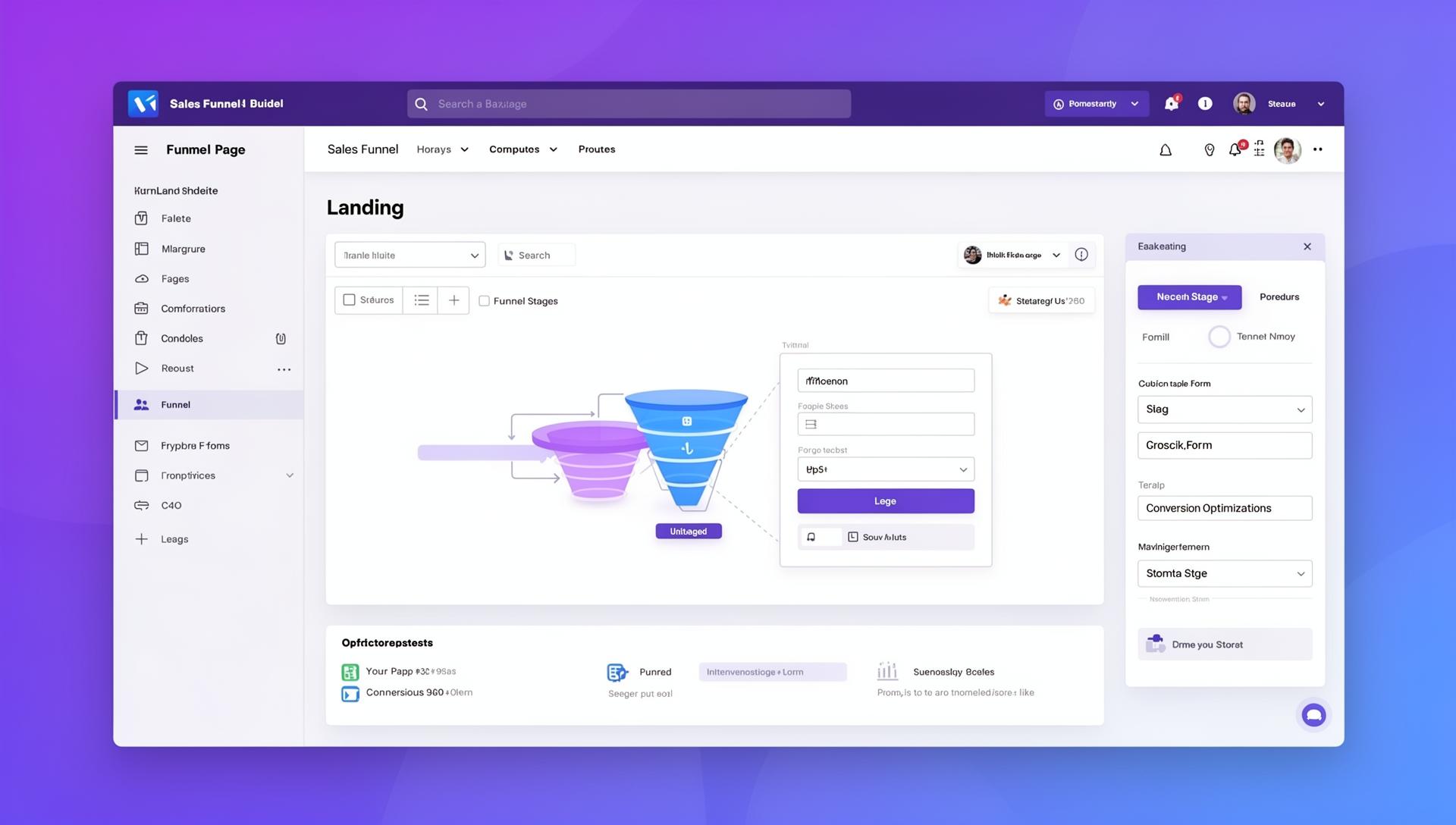
Platforms like Bharat Funnels provide everything in one place — funnel builder, CRM, email marketing, WhatsApp automation, payment integration, and analytics. This integrated approach eliminates the complexity of connecting multiple tools.
Advantages:
• Everything works together seamlessly• Single login, unified dashboard• No integration headaches• Lower total cost than multiple tools• Indian payment gateway support• WhatsApp integration (critical for India)
Separate Tools Approach:
You can also cobble together separate tools — landing page builders, email platforms, CRM systems, payment processors. But this approach requires more technical skill, costs more overall, and creates data silos.
| Factor | All-in-One Platform | Separate Tools |
|---|---|---|
| Setup Complexity | Low | High |
| Monthly Cost | ₹3,000-5,000 | ₹15,000-30,000 |
| Integration Effort | None | Significant |
| Data Flow | Automatic | Manual/complex |
| WhatsApp Automation | Built-in | Requires extra tool |
| Indian Payments | Native support | Varies |
| Learning Curve | One system | Multiple systems |
For most Indian businesses, an all-in-one platform provides the fastest path to results. You can be running your first funnel within hours rather than weeks.
Frequently Asked Questions
Do I still need a website if I have funnels?
Yes, for most businesses. Your website provides credibility, SEO visibility, and a home for comprehensive content. Think of it as your foundation, with funnels as your conversion engines. Some businesses (especially those relying entirely on paid traffic) can operate with funnels alone, but most benefit from both.
How long does it take to build a sales funnel?
With the right platform, you can build a basic funnel in 2-4 hours. A more sophisticated funnel with multiple follow-up sequences might take 1-2 days. The actual time varies based on whether you're writing copy from scratch or using templates.
How much should I spend on funnel software?
Expect to invest ₹3,000-10,000 monthly for a quality all-in-one platform. Avoid free tools for serious business use — they typically lack essential features like automation and proper analytics. Consider it an investment, not an expense — a well-built funnel returns its cost many times over.
What's the most important funnel metric?
Conversion rate at each stage matters, but ultimately focus on cost per customer acquisition. If you spend ₹500 to acquire a customer worth ₹5,000, your funnel is working. Obsess over this number and optimize to improve it.
Should I build my own funnel or hire someone?
Start by building yourself — even if imperfect, you'll learn the fundamentals that help you evaluate agencies later. Once you understand what works, you can hire specialists to scale. Many platforms offer done-for-you templates that simplify the process.
How do I drive traffic to my funnel?
Facebook and Instagram ads are the most common starting point for Indian businesses. Google ads work for search-intent offers. Existing email lists and WhatsApp broadcasts are free traffic sources. Content marketing and SEO drive long-term organic traffic.
What if my funnel doesn't convert?
Diagnose systematically. Low landing page conversion? Improve your headline and offer. Low email opens? Work on subject lines. Low sales page conversion? Address objections and add social proof. Funnel optimization is iterative — expect to test and refine continuously.
Conclusion
The difference between websites and sales funnels isn't about which is better — it's about understanding which tool serves which purpose.
Websites are your digital headquarters. They establish credibility, rank in search engines, provide comprehensive information, and serve as a destination for referrals and organic traffic. Every serious business needs a professional website.
Sales funnels are your conversion engines. They take specific offers to targeted audiences and guide them through optimized sequences designed for one purpose: turning visitors into customers. Businesses that want to grow predictably need funnels.
The smartest approach combines both. Use your website to build long-term presence and authority. Use funnels to convert campaign traffic and scale revenue. Let each tool do what it does best.
If you've been frustrated by a beautiful website that generates zero leads, the solution isn't a website redesign. The solution is adding conversion-focused funnels alongside your existing presence.
If you've been running ads directly to your homepage and wondering why they don't convert, now you understand. Send paid traffic to landing pages, not websites.
The businesses growing fastest in India right now aren't choosing between websites and funnels. They're using both strategically — and platforms like Bharat Funnels make this easier than ever with integrated funnel builders, CRM, WhatsApp automation, and analytics in one place.
Start with one funnel. Test one offer. Measure your results. Then scale what works.
The gap between businesses that understand this distinction and those that don't grows wider every day. Which side will you be on?
Explore Related Features
Ready to Implement These Strategies?
Bharat Funnels makes it easy to implement everything you've learned in this article. Start your free trial and see results in days, not months.